
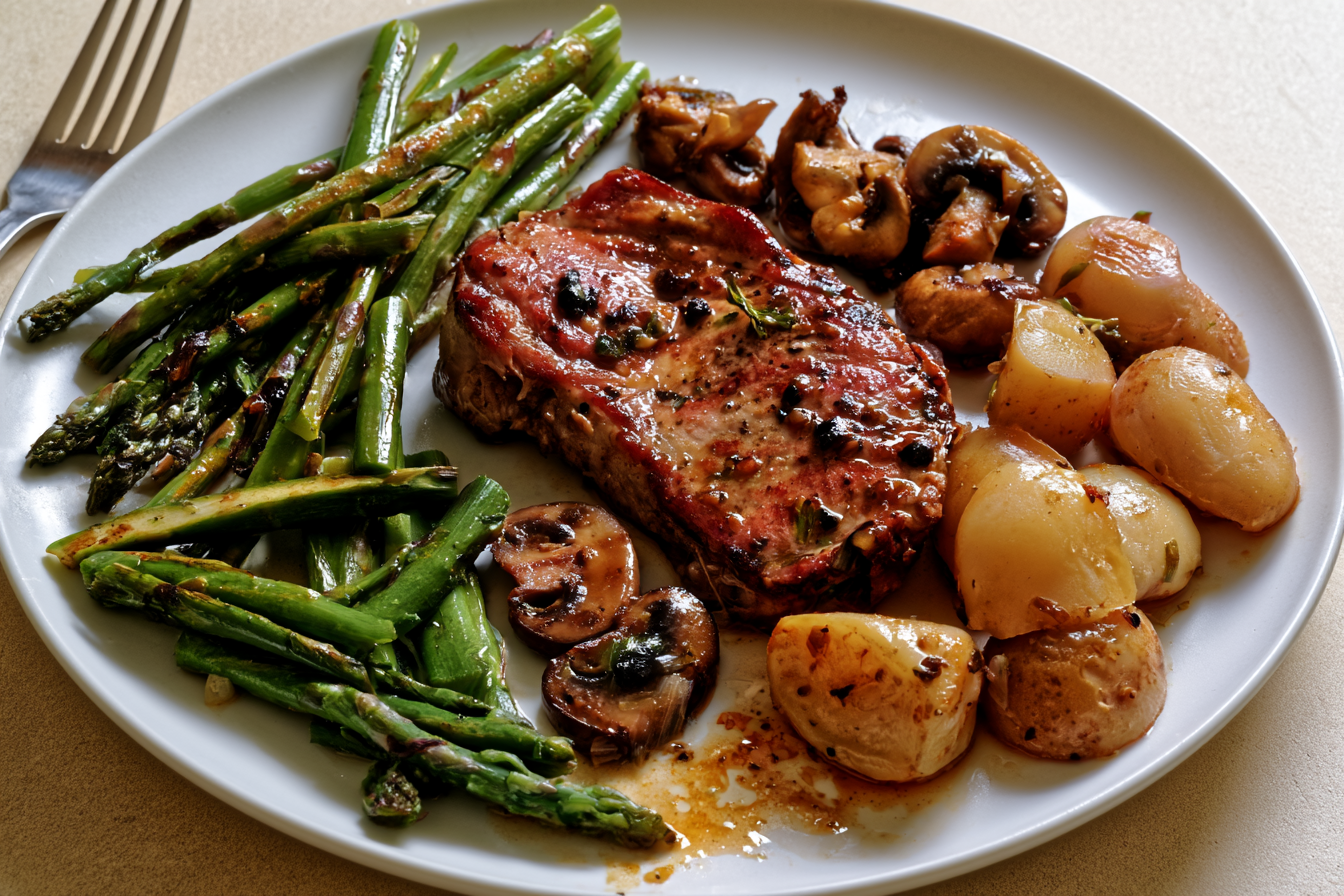
What foods are best for a GLP-1 meal plan center around high-quality protein, fiber-rich vegetables, and healthy fats to support satiety and stable blood sugar. Successfully managing your nutrition while on GLP-1 therapy requires intentional choices that maximize nutrient density without feeling restrictive. These specific food groups help you maintain energy levels throughout the day while working in harmony with your body’s natural hormonal signals.
Why This Recipe Works
This nutritional approach works because it prioritizes structural building blocks like lean protein, which are essential for muscle maintenance during weight loss. Many people struggle with low energy on newer medications, but focusing on 25 to 30 grams of protein per meal prevents that dreaded afternoon slump. By choosing low-glycemic carbohydrates and pairing them with healthy fats, you slow digestion naturally and keep your hunger cues managed.
I have found that the secret lies in consistency rather than perfection. When you structure your plate with these guidelines, you stop fighting against your biology. This way of eating feels sustainable because it focuses on what you can include, rather than just what you should cut out of your diet entirely.
Essential Ingredients for Your GLP-1 Journey
| Category | Examples | Recommended Portion |
|---|---|---|
| Protein | Chicken breast, white fish, tofu | 3 oz per serving |
| Fiber | Brussels sprouts, berries, lentils | 1/2 to 1 cup per meal |
| Healthy Fats | Olive oil, avocado, walnuts | 1 tbsp or 1/4 avocado |
Step-by-Step Meal Preparation
Phase 1: Selecting Your Protein Foundation
- Select a lean protein source like grilled chicken breast, wild-caught salmon, or firm tofu.
- Measure a 3-ounce portion to ensure you hit the 20 to 25-gram protein threshold.
- Season your protein using fresh herbs and spices instead of heavy, processed sauces.
Phase 2: Integrating Fiber and Fats
- Fill half your plate with non-starchy vegetables such as roasted broccoli or steamed carrots.
- Add a quarter of an avocado or a drizzle of cold-pressed olive oil for essential fatty acids.
- Include a small portion of slow-digesting carbohydrates like lentils or quinoa to reach your daily fiber goals.
Chef Tips for Perfect Results
- Always prep your proteins in advance to save time during busy weeknights.
- Use a food scale during the first few weeks to accurately gauge your protein intake.
- Hydration is vital, so keep a water bottle nearby and add cucumber slices for natural flavor.
- Try roasting vegetables at high heat to bring out natural sweetness without needing extra sugar.
- Listen to your body, as you will likely find you can eat smaller portions while feeling equally satisfied.
Common Mistakes to Avoid
- Neglecting protein intake often leads to muscle loss instead of fat loss. Prioritize that 25g goal at every meal.
- Relying on highly processed snacks creates blood sugar spikes that interfere with medication effectiveness.
- Forgetting to hydrate causes unnecessary fatigue. Aim for 8 cups of water daily to support metabolic function.
- Eating too quickly prevents your brain from registering fullness. Slow down and chew thoroughly.
Variations and Substitutions
| Ingredient | Substitution | Flavor Impact |
|---|---|---|
| Chicken | Ground Turkey | Milder flavor, similar protein density |
| Olive Oil | Avocado Oil | Higher smoke point for roasting |
| Lentils | Chickpeas | Nutty texture, slightly different fiber profile |
Frequently Asked Questions
How much protein should I eat per meal?
You should aim for 25 to 30 grams of protein per meal. This amount supports satiety and helps maintain lean muscle mass while you lose weight.
Can I drink sparkling water?
You should avoid carbonated drinks if they cause bloating or discomfort, which is a common side effect of GLP-1 medications. Stick to still water or herbal tea for the best results.
What should I do if I feel nauseous?
Focus on small, frequent meals rather than large ones. Avoid greasy, fried foods that take longer to digest and may aggravate your stomach.
Are fruits allowed on this plan?
Fruits are encouraged when eaten in moderation with their skin on, such as apples or berries. They provide essential fiber that helps manage blood glucose levels effectively.
How do I make meal prep easier?
Cook a large batch of proteins and grains on Sunday to mix and match throughout the week. This reduces decision fatigue and keeps you on track with your nutritional goals.
Conclusion
Learning what foods are best for a GLP-1 meal plan creates the foundation for your long-term health success. By prioritizing protein, fiber, and healthy fats, you empower your body to perform at its peak. Remember that every meal represents an opportunity to nourish yourself intentionally. Stick to these guidelines, stay hydrated, and enjoy the process of discovering how much better you feel when you fuel your body right. Consistency remains the key to unlocking your best results.
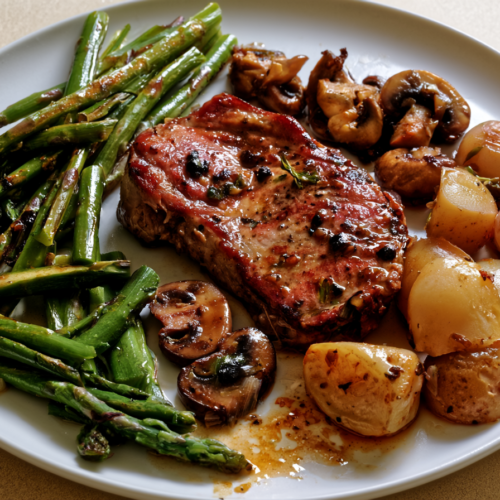
Balanced GLP-1 Lemon-Herb Chicken Bowl
Ingredients
- 3 oz grilled chicken breast
- ½ cup cooked lentils
- 1 cup roasted broccoli florets
- ¼ medium avocado, sliced
- 1 tbsp extra virgin olive oil
- 1 tsp fresh lemon juice
- ½ tsp dried oregano
- Salt and black pepper to taste
Instructions
- Preheat your oven to 400°F.
- Toss the broccoli florets with half of the olive oil, salt, and pepper, then roast for 15-20 minutes until tender and slightly charred.
- Season the chicken breast with oregano, salt, and pepper, then grill or pan-sear until fully cooked to an internal temperature of 165°F.
- In a serving bowl, arrange the cooked lentils as a base.
- Place the chicken breast and roasted broccoli alongside the lentils.
- Top the bowl with the avocado slices.
- Drizzle the remaining olive oil and lemon juice over the entire bowl before serving.