
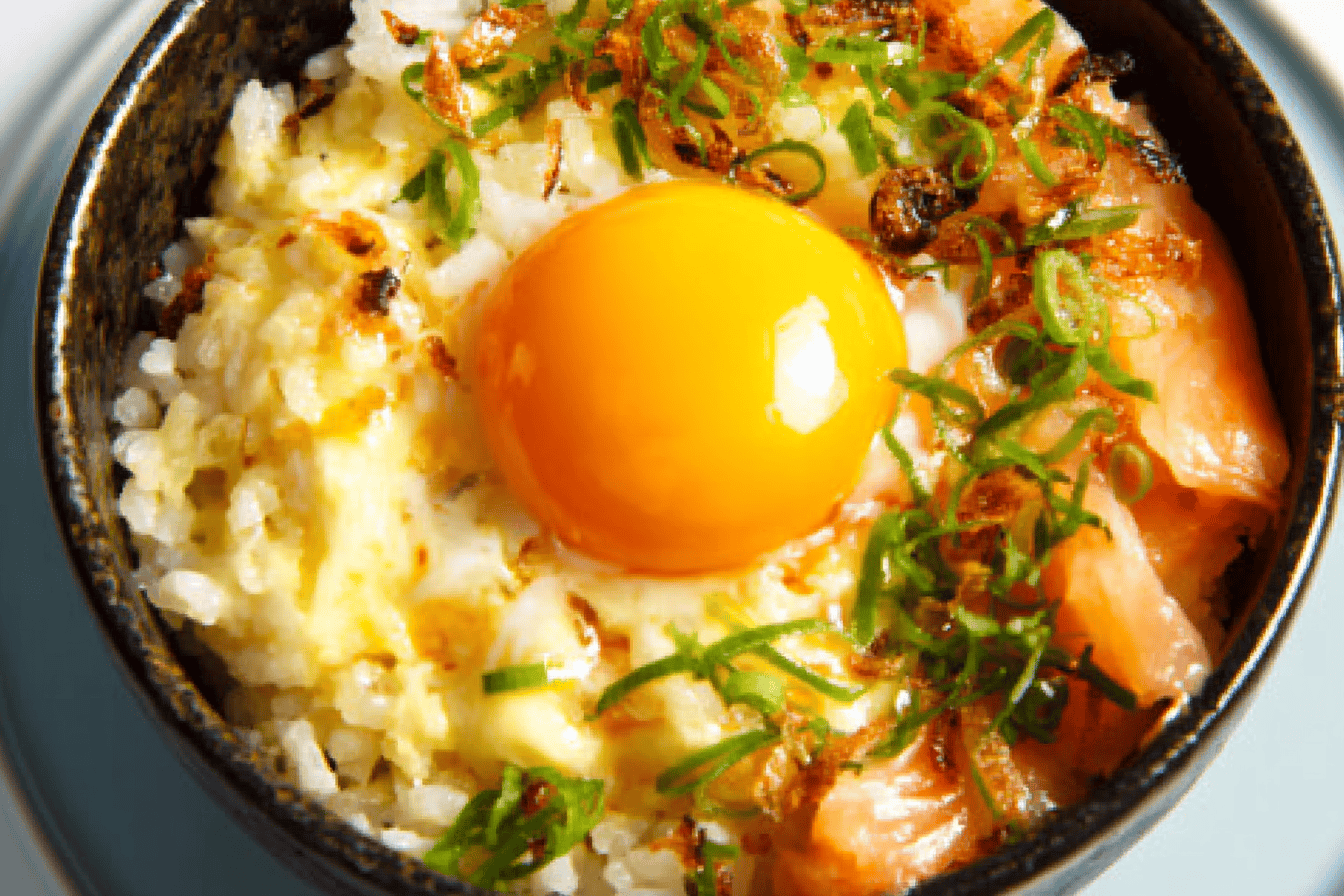
The first time someone told me to crack a raw egg into hot rice, I’ll admit I hesitated. But one bite of Tamago Kake Gohan changed everything. The name literally means “egg over rice,” and this humble Japanese breakfast is proof that the simplest food can be the most comforting. As you whip the egg into steaming rice, it transforms into something silky, creamy, and almost frothy like a savory, eggy risotto that comes together in under five minutes. It’s the kind of bowl that feels like a warm hug on a busy morning.
In Japan, this dish (affectionately shortened to “TKG”) is so beloved it has its own research institute and even a dedicated festival. So let me show you how to make it properly, plus how to do it safely.
Table of Contents
What Is Tamago Kake Gohan?
At its heart, Tamago Kake Gohan is a bowl of piping-hot white rice with a raw egg whipped right in, seasoned with a splash of soy sauce. That’s the entire foundation. The magic happens in the texture: as you stir vigorously, the heat from the rice gently thickens the egg, turning the whole bowl pale yellow, glossy, and slightly airy.
It’s been a staple of Japanese home cooking for well over a century. Originally a cheap, nutritious meal for laborers, it has since earned a permanent place in the hearts of millions as the ultimate quick comfort food. People eat it for breakfast, lunch, dinner, and late-night snacks alike and once you try it, you’ll understand why.
A Quick Word on Raw Egg Safety
Because TKG uses a raw egg, food safety genuinely matters here. In Japan, eggs are produced under strict standards specifically so they can be eaten raw, which makes the dish safe to enjoy there. Outside Japan, however, those standards vary widely. Therefore, if you’re making this anywhere else, use pasteurized eggs, which are clearly labeled in most US grocery stores. Always check the safety guidance for eggs in your own country before eating them raw.
If raw egg isn’t for you, don’t worry there’s an easy workaround. You can use an onsen tamago (a soft, slow-cooked egg) or even lightly warm a beaten egg for a few seconds before mixing it in. You’ll still get those classic flavors with extra peace of mind.
Ingredients You’ll Need
This recipe serves one, and most of it is optional flavor-building. Here’s the full lineup, in US measurements:
| Ingredient | Amount | Notes |
|---|---|---|
| Hot cooked white rice | 1 cup (about 12 oz / 340g) | Japanese short-grain, piping hot |
| Egg | 1 (plus 1 optional yolk) | Pasteurized, for raw use |
| Soy sauce | ½ tsp, plus more to taste | The main seasoning |
| Mirin | ½ tsp (optional) | A touch of sweetness |
| Kosher salt | Pinch, plus more to taste | Balances the egg |
| Nori | To taste (optional) | Thinly sliced or torn |
| Furikake | To taste (optional) | Savory rice seasoning |
| MSG powder | Pinch (optional) | Extra umami |
| Hondashi | Pinch (optional) | Instant dashi, deep savoriness |
If some of these sound unfamiliar, here’s a quick translation. Mirin is a sweet rice wine, furikake is a dry seasoning blend you sprinkle over rice, nori is dried seaweed, and Hondashi is instant dashi (a savory soup base) that adds a mellow, brothy depth. None are required, but each one nudges the bowl toward greater complexity.
How to Make Tamago Kake Gohan
This is almost too easy to call a recipe, but a couple of small moves make the difference between good and great. Here’s how it goes.
Step 1: Start with hot rice
First, scoop a cup of freshly cooked, piping-hot white rice into a deep bowl. The heat is essential, since it’s what lightly cooks and thickens the egg. Cold or lukewarm rice simply won’t give you that creamy texture, so use it fresh from the pot if you can.
Step 2: Add the egg and seasonings
Next, make a small well in the center of the rice and crack in your egg. Then add the soy sauce, mirin, a pinch of salt, and any optional umami boosters like Hondashi or MSG. Alternatively, you can whisk the egg and seasonings together in a separate bowl first, then pour the mixture over the rice for a more even coating.
Step 3: Whip it together
Now, using chopsticks or a fork, whip everything vigorously. Keep going until the mixture turns pale yellow, creamy, and slightly frothy. This is where the texture comes alive, so don’t be shy a little energetic mixing incorporates air and gives you that signature light, fluffy consistency.
Step 4: Top and devour
Finally, taste and adjust the seasonings as you like. If you’re using the optional extra yolk, set it gently on top for a velvety, rich finish. Then sprinkle on furikake, nori, scallions, or bonito flakes, and eat immediately while it’s hot. TKG waits for no one.
Topping Ideas to Make It Your Own
One of the joys of this dish is how endlessly customizable it is. The base never changes, but the toppings let you reinvent the bowl every single time. Here are some favorites worth trying:
| Topping | What it adds |
|---|---|
| Furikake | Salty, savory crunch and color |
| Nori (dried seaweed) | Briny, oceanic depth |
| Scallions | Fresh, sharp brightness |
| Bonito flakes (katsuobushi) | Smoky umami punch |
| Toasted sesame seeds | Nutty aroma and texture |
| Natto (fermented soybeans) | Bold, traditional twist |
Tips for the Perfect Bowl
A few details elevate your TKG from fine to unforgettable. Above all, use the freshest, highest-quality eggs you can find, since the egg is truly the star here. Likewise, Japanese short-grain rice is worth seeking out, because its plump, slightly sticky grains cling to the egg beautifully and give the dish its signature body. Finally, season gradually and taste as you go soy sauce, salt, and umami extras can quickly tip the balance, so a light hand pays off. And remember, TKG is meant to be eaten right away, never saved as leftovers.
Key Takeaways
Tamago Kake Gohan is a classic Japanese comfort bowl of raw egg whipped into hot rice with soy sauce, ready in about five minutes. The heat of fresh rice thickens the egg into a creamy, frothy texture, so always start piping hot and whip vigorously. Outside Japan, use pasteurized eggs for safety, or swap in a gently cooked egg if you prefer. Then customize with furikake, nori, scallions, and more. Give it a try, and you may just find your new favorite five-minute meal.
Tamago Kake Gohan (Japanese Egg Over Rice)
Ingredients
- 1 cup hot cooked white rice about 12 ounces / 340g, preferably Japanese short-grain
- 1 egg pasteurized (plus 1 optional egg yolk)
- ½ teaspoon soy sauce plus more to taste
- ½ teaspoon mirin optional
- 1 pinch kosher salt plus more to taste
- Thinly sliced or torn nori to taste (optional)
- Furikake to taste (optional)
- 1 pinch MSG powder such as Aji-no-moto or Accent (optional)
- 1 pinch Hondashi optional
Instructions
- Scoop the piping-hot cooked rice into a deep serving bowl and make a small well in the center. Crack the egg into the well, then add the soy sauce, mirin, salt, and any optional Hondashi or MSG powder. Alternatively, whisk the egg and seasonings together in a separate bowl first, then pour the mixture over the rice. Using chopsticks or a fork, whip vigorously until the mixture turns pale yellow, creamy, and slightly frothy. Taste and adjust the seasonings as desired. If using, top with the extra raw egg yolk for a richer finish. Sprinkle with nori, furikake, scallions, or bonito flakes to taste, and eat immediately while hot.