
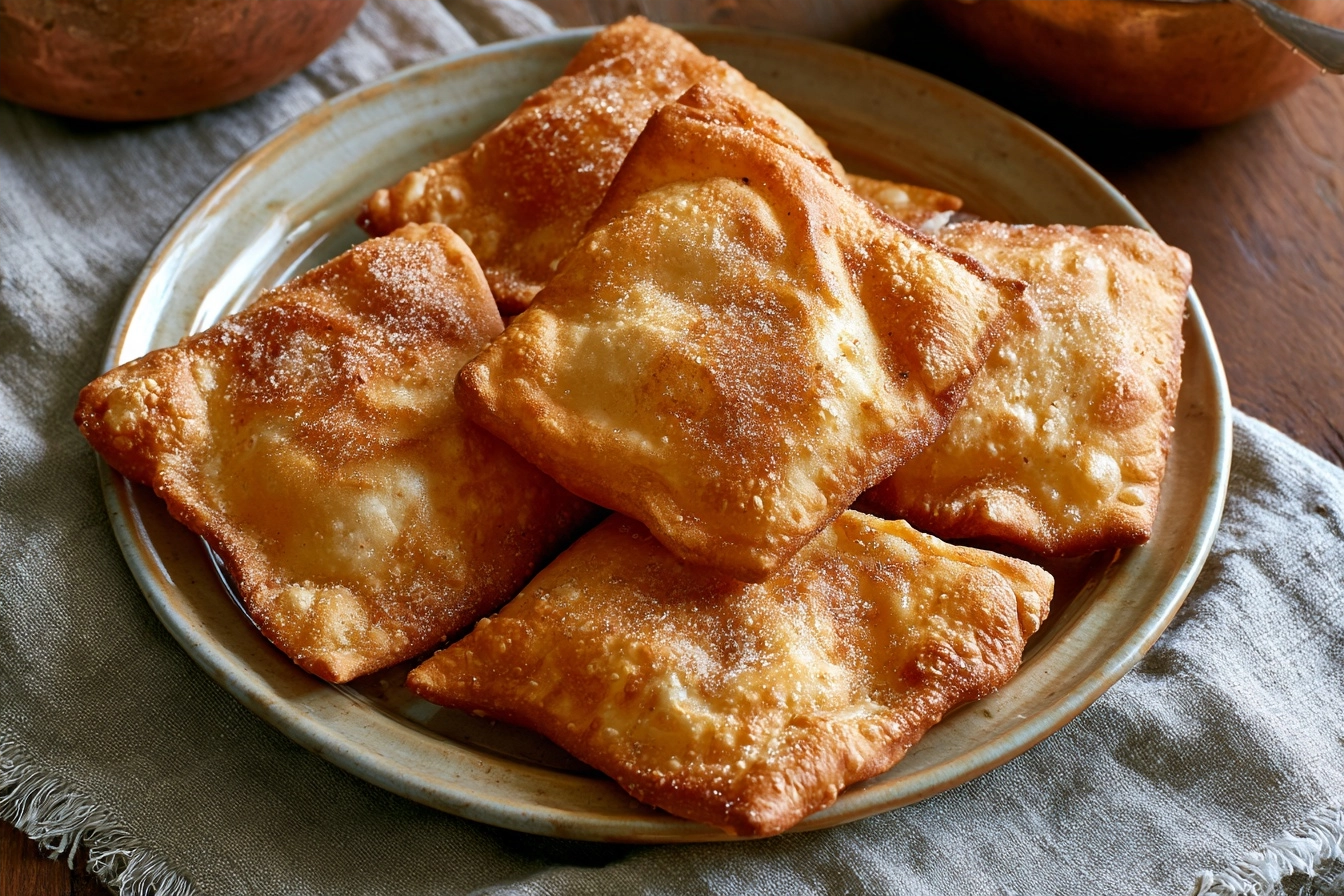
Sopapillas are golden, pillowy fried dough pockets that serve as the ultimate comfort treat in Southwestern cuisine. This easy recipe uses basic pantry staples to create light, airy results every single time. Achieving that signature puff requires nothing more than simple technique and hot oil. You will find that these handheld pastries provide the perfect balance of crispy edges and tender, hollow centers.
Recipe Overview
| Metric | Details |
|---|---|
| Prep Time | 10 minutes |
| Cook Time | 15 minutes |
| Total Time | 45 minutes |
| Servings | 12-15 sopapillas |
| Difficulty | Easy |
| Cuisine | New Mexican/Southwestern |
Why This Recipe Works
I have spent years perfecting this dough ratio to ensure these pastries inflate predictably in the fryer. The inclusion of baking powder acts as a chemical leavening agent, creating the essential steam pockets required for a hollow interior. By resting the dough for twenty minutes, you allow the gluten to relax, which makes rolling out consistent squares effortless.
Using high-quality coconut oil or butter as the fat source ensures a rich, tender crumb that avoids any heavy or greasy texture. I find that frying at exactly 375 degrees Fahrenheit is the secret weapon for preventing oil absorption. These sopapillas remain light and airy rather than dense or chewy, providing that authentic restaurant quality right in your home kitchen.
Ingredients
| Ingredient | Quantity | Notes |
|---|---|---|
| All-purpose flour | 2 cups | Use unbleached for best structure |
| Baking powder | 2 teaspoons | Ensure it is fresh for proper lift |
| Fine sea salt | 1 teaspoon | Balances the sweetness |
| Coconut oil or butter | 2 tablespoons | Must be room temperature |
| Warm water | 3/4 cup | Approximately 105 degrees |
| Frying oil | 1.5 – 2 inches | Use high-heat oil like canola |
| Sugar/Honey | To taste | Powdered or cinnamon sugar |
Step-by-Step Instructions
Preparing the Dough
- Whisk the flour, baking powder, and salt together in a large mixing bowl until thoroughly combined.
- Cut the room-temperature coconut oil or butter into the flour mixture until it resembles coarse crumbs.
- Stir in the warm water gradually until a shaggy, cohesive dough begins to form.
Kneading and Resting
- Knead the dough on a lightly floured surface for approximately two minutes until the texture feels smooth and elastic.
- Cover the dough ball with a clean kitchen towel and allow it to rest for at least 20 minutes to relax the gluten.
Frying the Pastries
- Roll the rested dough to a precise quarter-inch thickness on a floured surface.
- Cut the dough into clean two or three-inch squares using a sharp knife or pizza cutter.
- Heat the frying oil in a deep heavy-bottomed pot until it reaches 375 degrees Fahrenheit.
- Fry the squares in small batches for 30 to 60 seconds until the underside turns light gold.
- Flip the dough squares and fry the second side while spooning hot oil over any areas that resist puffing.
- Drain the cooked pastries on paper towels and immediately dust with sugar while still warm.
Chef Tips for Perfect Results
- Keep your dough thickness consistent; if it is too thick, the center will remain raw while the exterior burns.
- Monitor the oil temperature with a digital thermometer throughout the process to prevent temperature drops.
- Work in small batches to ensure the oil temperature remains stable after adding cold or room-temperature dough.
- Spoon hot oil gently over the top of the floating dough to force rapid expansion and puffing.
- Serve them immediately; these treats lose their structural integrity and crispness as they cool down.
Common Mistakes to Avoid
- Overworking the dough leads to tough pastries; knead only until smooth.
- Frying at too low a temperature causes the dough to soak up oil and become heavy.
- Ignoring the rest period results in dough that shrinks back when you try to roll it out.
- Overcrowding the pot forces the temperature to plummet, preventing the signature puff from occurring.
Variations and Substitutions
| Ingredient | Substitution | Impact on Flavor |
|---|---|---|
| Coconut oil | Vegetable shortening | Neutral flavor profile |
| Honey | Agave nectar | Slightly thinner consistency |
| Sea salt | Kosher salt | No significant difference |
Serving Suggestions and Pairings
Serve these warm with a generous drizzle of local honey for a classic New Mexican dessert. They pair beautifully with savory entrees like chile rellenos or hearty green chile stew. Consider adding a scoop of vanilla bean ice cream on the side for a decadent finish to any dinner party.
Storage and Reheating
| Method | Duration | Instructions |
|---|---|---|
| Room Temp | 1 day | Keep in an airtight container |
| Oven Reheat | 5 minutes | Warm at 350 degrees until crisp |
Nutritional Information
| Nutrient | Amount per Serving |
|---|---|
| Calories | 145 kcal |
| Fat | 8g |
| Carbohydrates | 18g |
| Protein | 2g |
Approximate values.
Frequently Asked Questions
Can I substitute whole wheat flour?
Whole wheat flour makes the dough significantly denser and less likely to puff properly. Use all-purpose flour for the lightest, most authentic texture.
How do I know when the oil is ready?
The oil reaches the ideal stage when a small scrap of dough bubbles and rises immediately upon contact. Use a candy thermometer to maintain a steady 375 degrees.
Why did my sopapillas not puff up?
Inadequate puffing usually stems from oil that is not hot enough or dough that was rolled too thin. Ensure your baking powder is active and your oil stays at the target temperature.
Can I make the dough ahead of time?
Prepare the dough and keep it refrigerated for up to 24 hours before you plan to fry. Bring it back to room temperature before rolling and cutting for best results.
What is the best way to serve them?
Serve them immediately after frying while they remain warm and crispy. Dust them with cinnamon sugar and provide a small ramekin of honey for dipping.
Conclusion
Mastering sopapillas brings a taste of authentic Southwestern tradition directly into your kitchen. By following these simple steps, you ensure light, airy, and golden results every time you fry. Start with fresh ingredients and watch these simple dough squares transform into a crowd-pleasing favorite. Serve them warm with honey and enjoy the comfort of homemade pastry. Your guests will certainly appreciate the effort behind these delightful, crispy, and sweet treats.
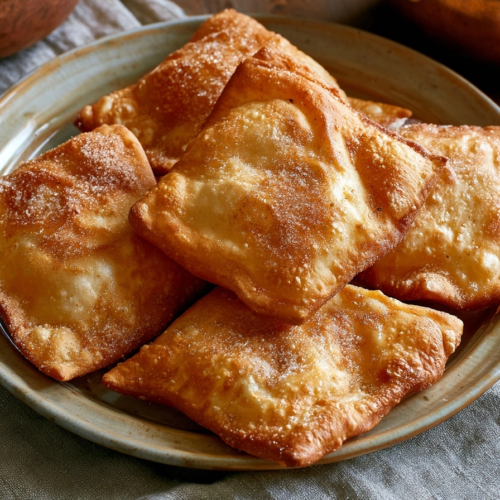
Authentic Southwestern Sopapillas
Ingredients
- 2 cups all-purpose flour
- 2 teaspoons baking powder
- 1 teaspoon fine sea salt
- 2 tablespoons room temperature coconut oil or butter
- ¾ cup warm water (approx 105 degrees)
- 1.5 - 2 inches high-heat frying oil (such as canola)
- Sugar, honey, or cinnamon sugar for serving
Instructions
- Whisk the flour, baking powder, and salt in a large mixing bowl until combined.
- Cut the room-temperature coconut oil or butter into the flour mixture until it resembles coarse crumbs.
- Stir in the warm water gradually until a shaggy, cohesive dough forms.
- Knead the dough on a lightly floured surface for about two minutes until smooth and elastic.
- Cover with a clean kitchen towel and let it rest for 20 minutes to allow the gluten to relax.
- Roll the dough into a sheet about 1/8 inch thick and cut into squares or triangles.
- Heat oil in a deep heavy-bottomed pot to 375 degrees Fahrenheit.
- Fry the dough pieces, turning occasionally, until they puff up and turn golden brown on both sides.
- Drain on paper towels and serve immediately with honey or cinnamon sugar.