
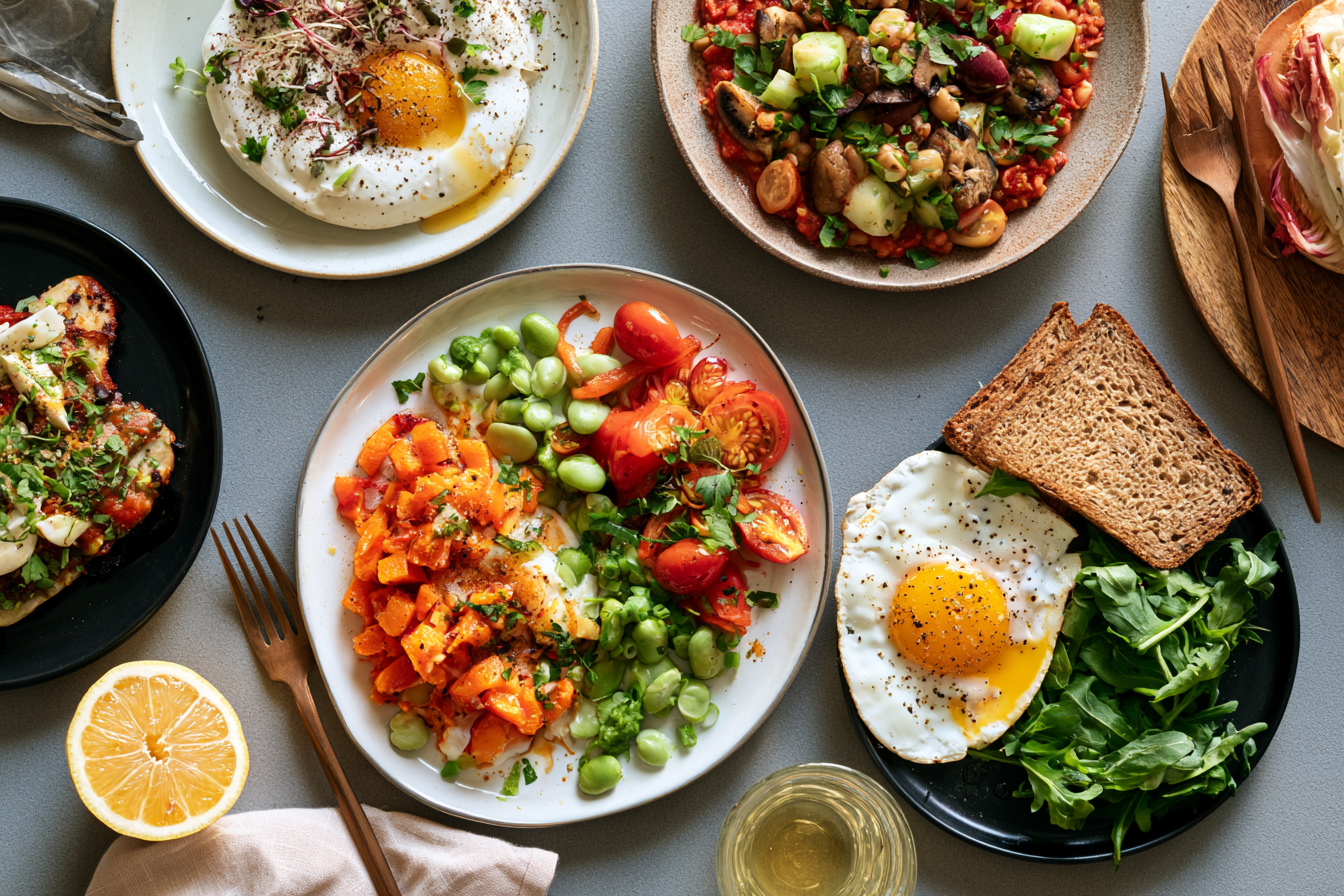
A 7-day GLP-1 meal plan for women provides a structured approach to managing nutrition while supporting satiety and minimizing common side effects. This protocol focuses on high-protein, easily digestible foods that align with the natural ebb and flow of appetite often experienced during weekly medication cycles. Prioritizing protein intake remains essential for preserving lean muscle mass while navigating appetite changes.
Why This Recipe Works
This meal plan works because it respects the biological reality of medication-induced appetite changes. During the initial days following an injection, many people experience a so-called nausea window where solid foods feel overwhelming. By focusing on liquids, chilled proteins, and smaller portions during this phase, you can maintain essential nutrition without triggering digestive discomfort.
As the week progresses, the plan shifts toward more substantial whole foods. This transition prevents the common mistake of overloading the system with high-fiber or complex foods before your body is ready. I designed this flow to ensure you hit your protein targets, which typically fall between 1.2 and 1.6 grams per kilogram of goal body weight, using a protein-first strategy to protect your metabolism.
Meal Plan Overview
| Day Phase | Strategy | Food Focus |
|---|---|---|
| Days 1-2 | Nausea Window | Liquids, Chilled Proteins |
| Days 3-5 | Sweet Spot | Solid Proteins, Soft Veggies |
| Days 6-7 | Hunger Return | Higher Density Meals |
Ingredients
| Ingredient | Role | Notes/Alternatives |
|---|---|---|
| Whey Isolate | Primary Protein | Use collagen if whey irritates stomach |
| Cottage Cheese | Cold Protein | Low-fat versions are generally easier to digest |
| Bone Broth | Hydration/Gut Health | Ensure it is low sodium |
| Rotisserie Chicken | Convenient Protein | Remove skin to reduce fat content |
| Steamed Carrots | Soft Fiber | Cook until fork-tender |
Step-by-Step Instructions
Phase 1: The Nausea Window (Days 1-2)
- Blend one scoop of whey isolate or collagen protein with eight ounces of unsweetened almond milk for breakfast.
- Drink sixteen ounces of water mixed with an electrolyte powder mid-morning to maintain hydration balance.
- Consume four ounces of chilled cottage cheese with a light dusting of sea salt for lunch.
- Sip one cup of warm bone broth in the afternoon to soothe the digestive system.
- Eat three ounces of chilled cooked shrimp with a small amount of avocado for dinner.
Phase 2: The Sweet Spot (Days 3-5)
- Scramble two eggs in a small amount of olive oil for a balanced breakfast.
- Enjoy a small serving of plain high-protein Greek yogurt mid-morning.
- Mix four ounces of shredded rotisserie chicken with one tablespoon of hummus for lunch.
- Choose either a protein shake or lightly salted edamame as an afternoon snack.
- Bake four ounces of cod or tilapia and serve with half a cup of very soft steamed carrots for dinner.
Phase 3: Managing Hunger Return (Days 6-7)
- Prepare a nutrient-dense smoothie using spinach, half a frozen banana, and a scoop of protein powder.
- Combine four ounces of lean ground turkey with one quarter cup of cooked quinoa for lunch.
- Wrap a slice of turkey breast around a small piece of low-fat cheese for an afternoon snack.
- Grill four ounces of chicken breast and pair it with half a cup of roasted zucchini for dinner.
Chef Tips for Perfect Results
- Always prioritize protein-first eating; if you feel full, finish your protein portion before touching any vegetables.
- Separate your larger fluid intake from solid meals by thirty minutes to prevent feeling overly full.
- Aim for eighty to one hundred ounces of water daily to support digestion, but avoid gulping large amounts with meals.
- Use frozen proteins if you struggle with the smell or texture of warm meat during the early week.
- Steam your vegetables until they are extremely soft to ease the workload on your digestive tract.
Common Mistakes to Avoid
- Eating raw vegetables too early in the week can cause significant bloating and gas.
- Relying on high-sugar snacks leads to energy crashes and spikes that mimic hunger.
- Skipping meals because of low appetite often results in extreme hunger later, which triggers poor food choices.
- Ignoring electrolyte needs usually leads to headaches and lethargy, even if you are drinking enough water.
- Eating too quickly prevents your brain from registering the signals of fullness, which can lead to discomfort.
Serving Suggestions and Pairings
For the best experience, eat your meals in a calm environment without distractions. Pair your dinner servings with a small glass of herbal tea like peppermint, which may help calm the stomach. During the final days of the week, you can add fresh herbs like parsley or cilantro to your ground turkey and quinoa to add brightness without heavy calories.
Nutritional Information
| Nutrient | Approximate Amount |
|---|---|
| Protein | 65g – 145g (per day) |
| Fiber | 15g – 25g (daily target) |
| Hydration | 80-100 oz water |
Note: These are approximate values based on individual weight goals.
Frequently Asked Questions
Can I substitute the whey isolate?
Yes, you can substitute whey isolate with a plant-based protein powder or collagen peptides if you experience dairy sensitivity. Ensure the product is low in added sugars to prevent glycemic fluctuations.
How do I know if my fish is done?
White fish like cod or tilapia is done when it reaches an internal temperature of 145 degrees Fahrenheit and flakes easily with a fork. Overcooking fish will make it dry and difficult to swallow during the days when your appetite is low.
What if I am still hungry in the afternoon?
If you feel genuine hunger, choose a high-protein, low-volume snack like a hard-boiled egg or a small portion of plain Greek yogurt. Avoid reaching for high-carb crackers or processed snacks that do not provide sustained satiety.
Can I meal prep this in advance?
Yes, you can prep your proteins and steam your vegetables at the start of the week. Store them in airtight containers and assemble your plates daily to keep the textures fresh and palatable.
How do I handle heartburn?
Avoid spicy, fried, and highly acidic foods, as these are common triggers for reflux. Eating slowly and remaining upright for at least an hour after eating can also significantly reduce discomfort.
Conclusion
Following a 7-day GLP-1 meal plan for women empowers you to navigate appetite changes with grace and health. By choosing high-quality proteins and adjusting the density of your meals, you support your body throughout the entire weekly cycle. Stay consistent with your hydration, prioritize your protein goals, and listen closely to your body’s signals. You have the tools to create a balanced routine that fuels your lifestyle and keeps you feeling your best every single day.
GLP-1 Phase 1 Nausea Window Meal Plan
Ingredients
- 1 scoop Whey Isolate or Collagen protein
- 8 oz Unsweetened almond milk
- 16 oz Water
- 1 scoop Electrolyte powder
- 4 oz Low-fat cottage cheese
- Sea salt to taste
- 1 cup Low-sodium bone broth
- 3 oz Cooked shrimp (chilled)
- ¼ Avocado
Instructions
- Blend one scoop of protein powder with eight ounces of almond milk for a breakfast smoothie.
- Mix electrolyte powder into sixteen ounces of water and drink mid-morning.
- Serve four ounces of chilled cottage cheese seasoned with a light dusting of sea salt for lunch.
- Warm one cup of bone broth and sip slowly in the afternoon.
- Serve three ounces of chilled cooked shrimp with a side of avocado for dinner.