
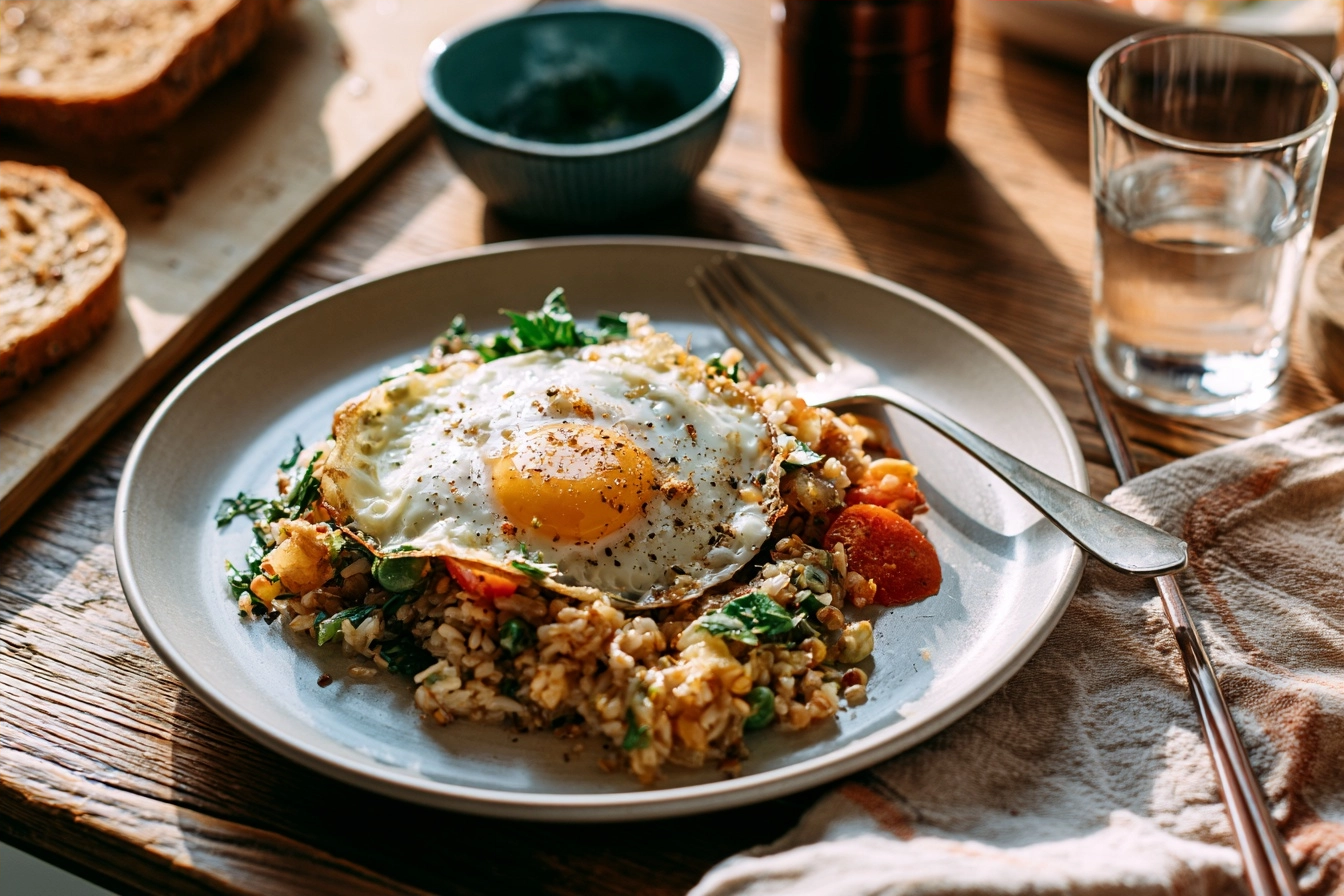
Learning how to eat enough on GLP-1 medications is essential for maintaining your energy levels and overall health during treatment. Because these medications significantly slow gastric emptying and reduce hunger signals, you must become very intentional about the quality and frequency of your meals. Focus on nutrient-dense options rather than empty calories to ensure your body receives the fuel it requires for daily function.
Why This Recipe Works
I have personally found that when appetite naturally decreases, the greatest risk is unintentional malnutrition. This approach works because it prioritizes protein and fiber, which provide the most significant health benefits while you are consuming smaller total volumes of food. By structuring your day into smaller, balanced eating occasions, you avoid the fatigue that comes from skipping meals or choosing low-quality snacks.
Following these professional guidelines from UCHealth transformed my routine. Instead of feeling overwhelmed by a full plate, I learned to view each eating opportunity as a chance to nourish my body efficiently. This method keeps my blood sugar stable and makes the transition to smaller portions feel sustainable rather than restrictive.
Nutritional Guidelines for Success
| Area | Guidance |
|---|---|
| Protein | 1.2 g/kg of body weight daily |
| Hydration | 8 to 10 glasses of water or sugar-free drinks |
| Meal Frequency | 5 to 6 small eating occasions per day |
| Fiber | Prioritize vegetables, whole grains, and fruits |
Ingredients
| Ingredient | Quantity | Notes |
|---|---|---|
| Lean Protein | Varies | Chicken, fish, tofu, or eggs |
| Fiber-Rich Plants | 1/2 cup | Leafy greens, lentils, or berries |
| Whole Grains | 1/4 cup | Oats, brown rice, or quinoa |
| Hydration Source | 8-10 glasses | Water, ginger tea, or herbal infusions |
Step-by-Step Instructions
Building Your Small Meals
- Select one lean protein source such as grilled chicken or cottage cheese.
- Add a generous serving of fiber-rich vegetables or fruits like berries or leafy greens.
- Include a small portion of a complex whole-grain carbohydrate like oats.
- Eat very slowly, allowing yourself at least twenty minutes to process satiety signals.
Managing Hydration and Comfort
- Drink your water or sugar-free beverages between meals rather than during them to maximize stomach space.
- Prepare fresh ginger tea by steeping thin slices in hot water if you experience nausea.
- Increase your daily physical activity like walking to naturally improve digestive motility.
Chef Tips for Perfect Results
- Always prepare protein in advance so it is ready for your small meal windows.
- Use steaming or roasting instead of frying to avoid greasy discomfort.
- Keep protein shakes on hand for moments when solid food feels difficult to finish.
- Listen closely to your body; if you feel full, stop eating and save the rest for later.
- Incorporate psyllium-based fiber if you cannot reach your daily targets through whole foods alone.
Common Mistakes to Avoid
One major mistake is skipping meals entirely when you feel no hunger, which often leads to extreme fatigue later. Fix this by setting a timer for small, frequent eating sessions. Another error involves consuming high-sugar, ultra-processed snacks that provide zero nutritional value. Replace these with high-protein alternatives like Greek yogurt. Finally, failing to drink enough water can worsen constipation significantly. Keep a large water bottle visible throughout the day to meet your goal.
Serving Suggestions and Pairings
For a perfect breakfast, pair Greek yogurt with fresh berries and a sprinkle of oats. A balanced lunch might include grilled white fish served with a side of steamed spinach and a small portion of quinoa. If you need a snack, a high-protein, low-sugar smoothie serves as an excellent way to maintain your intake without feeling overly full.
Storage and Reheating
| Method | Duration | Instructions |
|---|---|---|
| Refrigerator | 3-4 days | Keep protein in airtight glass containers. |
| Freezer | 1 month | Portion out individual meals for quick access. |
| Reheating | Immediate | Use the oven or steamer to maintain texture. |
Frequently Asked Questions
Can I use protein powder if I cannot eat meat?
Yes, protein shakes and powders are excellent tools for reaching your protein goals when appetite is suppressed. Choose options that are low in added sugars to avoid digestive discomfort.
What should I do if I feel nauseous?
Eat smaller, more frequent portions very slowly to help your stomach manage the process. Sipping ginger tea can also provide significant relief from lingering nausea.
Is exercise helpful during this time?
Physical activity such as walking is essential for keeping your digestion moving properly. Consistent, moderate movement helps prevent common side effects like constipation.
Can I have refined carbohydrates?
It is best to avoid refined carbohydrates as they provide few nutrients and may leave you feeling sluggish. Prioritize whole grains for sustained energy throughout your day.
When should I call my doctor?
Contact your healthcare provider if you are unable to eat at all, vomit frequently, or experience severe constipation. Your medication dose may require professional adjustment.
Conclusion
Successfully navigating how to eat enough on GLP-1 is a skill built through consistent, intentional choices. By prioritizing protein, fiber, and hydration, you provide your body with the strength it needs while adjusting to new metabolic signals. Remember that every small meal is an opportunity to fuel your progress and support your long-term health goals. Stay patient with your process, keep your focus on nutrient-dense whole foods, and enjoy the journey toward a balanced, healthier lifestyle.
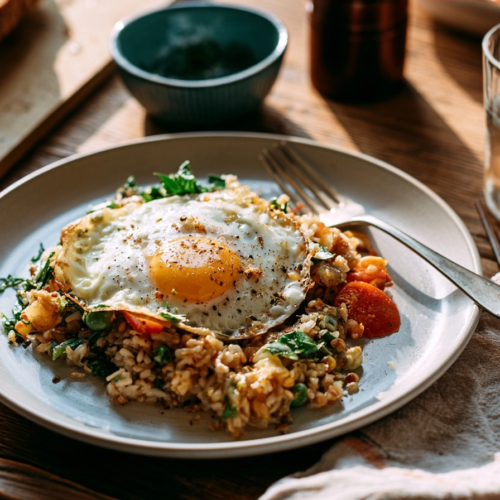
Nutrient-Dense Lean Protein and Quinoa Power Bowl
Ingredients
- 4 oz grilled chicken breast, sliced
- ¼ cup cooked quinoa
- ½ cup cooked lentils
- ½ cup fresh baby spinach
- ¼ cup fresh blueberries
- 1 teaspoon extra virgin olive oil
- 1 pinch sea salt
- 1 cup hot water with fresh ginger slices (for side tea)
Instructions
- Place the cooked quinoa and lentils in a bowl as your base.
- Top with the sliced grilled chicken breast and fresh baby spinach.
- Sprinkle with blueberries and drizzle with olive oil, then add a light pinch of salt.
- Eat slowly over at least twenty minutes to allow your body to register satiety.
- Steep fresh ginger slices in hot water to sip between meals for digestive comfort.