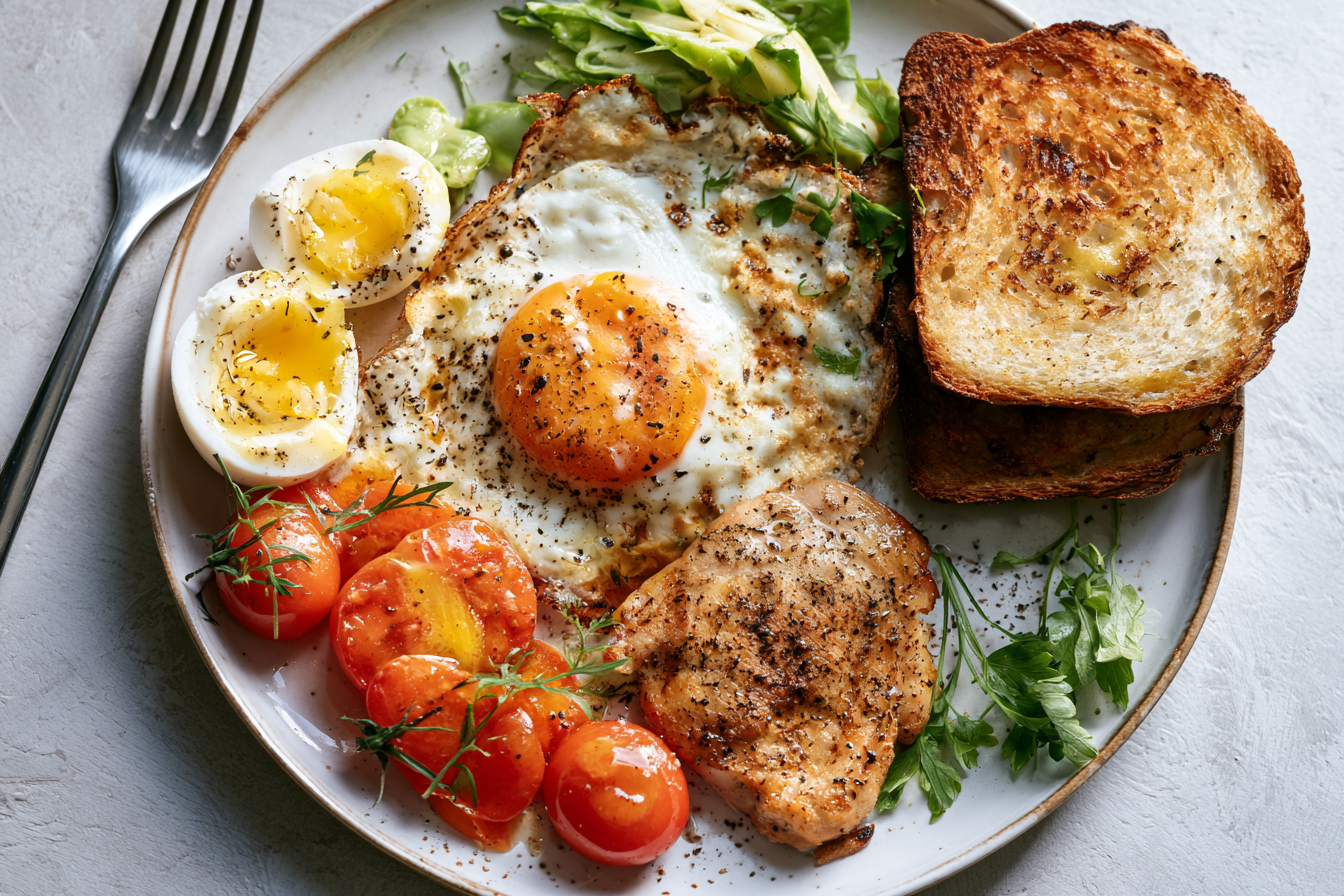
A 7-day GLP-1 meal plan for weight loss and maintenance provides the structure needed to manage side effects while maximizing metabolic health. This guide prioritizes high-protein sources, steady fiber intake, and nutrient-dense whole foods to support patients taking GLP-1 agonists. By focusing on small, frequent eating occasions, you stabilize blood sugar levels and minimize digestive discomfort common with these medications.
Why This Recipe Works
My experience working with nutrition clients has shown that success on GLP-1 medication relies heavily on food choices that prevent gastric distress. Slowed stomach emptying means that heavy, greasy, or excessively large meals often lead to nausea or indigestion. This meal strategy focuses on lean protein and complex carbohydrates to ensure you stay energized without overloading your system.
I personally find that organizing meals into five smaller segments daily helps maintain satiety while keeping blood glucose levels stable. This approach provides the protein necessary for muscle preservation during weight loss, which is vital when you are losing fat mass. You will find that these nutrient combinations provide steady energy throughout your day.
Recommended Daily Targets
| Nutrient / Habit | Recommendation |
|---|---|
| Protein | 80-120 g/day (1.2-1.6 g/kg) |
| Protein per meal | 20-40 g |
| Fiber | 25-38 g/day |
| Meal Frequency | 4-5 smaller occasions |
| Water Intake | 8-10 cups/day |
Ingredients to Focus On
| Ingredient Category | Examples | Notes |
|---|---|---|
| Protein | Chicken, turkey, cod, tofu | Aim for 20-40g per meal |
| High-Fiber Carbs | Quinoa, oats, brown rice | Increase fiber amounts gradually |
| Vegetables | Spinach, broccoli, peppers | Steam or roast for easier digestion |
| Healthy Fats | Avocado, olive oil, nuts | Use moderate, balanced portions |
Step-by-Step Instructions
Phase 1: Planning Your Protein
- Select your lean protein source for the day, such as grilled chicken breast or white fish.
- Measure 3-4 ounces per serving to hit the 20-40g protein threshold.
- Prepare your protein using gentle heat methods like poaching, baking, or steaming.
Phase 2: Integrating Fiber and Veggies
- Wash and chop fresh vegetables like spinach, broccoli, or bell peppers.
- Incorporate one serving of whole grains like quinoa or oats into your first two meals.
- Use raw or lightly steamed vegetables to avoid excessive fat during cooking.
Phase 3: Managing Hydration and Fats
- Drink one full glass of water 30 minutes before every meal.
- Add healthy fats like a quarter of an avocado or a teaspoon of olive oil to your salads.
- Space your meals every three hours to prevent large boluses of food in the stomach.
Chef Tips for Perfect Results
- Always prioritize lean protein first in every meal to meet your daily requirements.
- Prepare large batches of quinoa or brown rice on Sundays for easy assembly.
- Steam your vegetables to retain texture while ensuring they are easy to digest.
- Add a tablespoon of chia seeds to Greek yogurt for an instant fiber boost.
- Carry pre-portioned nuts to ensure you hit your healthy fat targets while on the go.
Common Mistakes to Avoid
- Eating large meals: This causes severe discomfort due to medication-induced slow digestion.
- Dehydration: Not drinking enough water leads to significant constipation issues for most users.
- Ignoring protein: Failing to hit 80g of protein daily leads to muscle mass loss.
- Choosing fried foods: These sit heavy in the stomach and trigger unwanted nausea.
Frequently Asked Questions
How do I handle nausea while following this plan?
Focus on small, frequent portions that are low in fat and fiber-dense. Avoiding spicy and fried foods typically resolves most medication-related nausea quickly.
Can I substitute protein sources if I am vegetarian?
Absolutely, you can use tofu, tempeh, lentils, and Greek yogurt to hit your protein goals. Ensure you track the grams per serving to maintain your 20-40g target per meal.
Is exercise required while using this plan?
Resistance training 2-3 times per week is highly recommended to protect your muscle mass. Consult with your physician before starting any new fitness routine.
How do I ensure I get enough fiber?
Gradually incorporate berries, apples, legumes, and whole grains into your daily routine. Increasing fiber too quickly can cause bloating, so pace yourself over the first week.
What should I do if I am not hungry?
Prioritize protein during your small eating windows even if your appetite is low. Maintaining consistent protein intake is essential for metabolic health during your weight loss journey.
Conclusion
Following this 7-day GLP-1 meal plan for weight loss and maintenance helps you reclaim control of your health. By prioritizing lean proteins, fiber, and hydration, you effectively minimize side effects and support sustainable progress. Stay consistent with your smaller meal portions and monitor how your body responds to different food groups. You have the tools needed to succeed on this journey, so embrace the habit of nourishing your body with intention and clarity every single day.
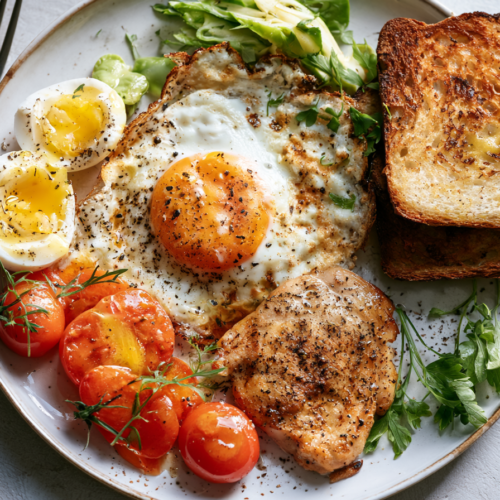
Lean & Fiber-Rich Grilled Chicken and Quinoa Bowl
Ingredients
- 4 oz chicken breast, boneless and skinless
- ½ cup cooked quinoa
- 1 cup broccoli florets
- ¼ avocado, sliced
- 1 teaspoon olive oil
- ½ teaspoon lemon juice
- Pinch of sea salt and black pepper
Instructions
- Preheat your oven or stovetop grill to medium heat.
- Season the chicken breast with a light pinch of salt and pepper.
- Grill or bake the chicken until the internal temperature reaches 165°F and the meat is tender.
- While the chicken cooks, steam the broccoli florets for 5-7 minutes until vibrant and tender-crisp.
- Combine the cooked quinoa and steamed broccoli in a bowl.
- Slice the cooked chicken and place it over the quinoa-broccoli mixture.
- Top with sliced avocado and drizzle with olive oil and fresh lemon juice.
- Drink a full glass of water 30 minutes before eating.