
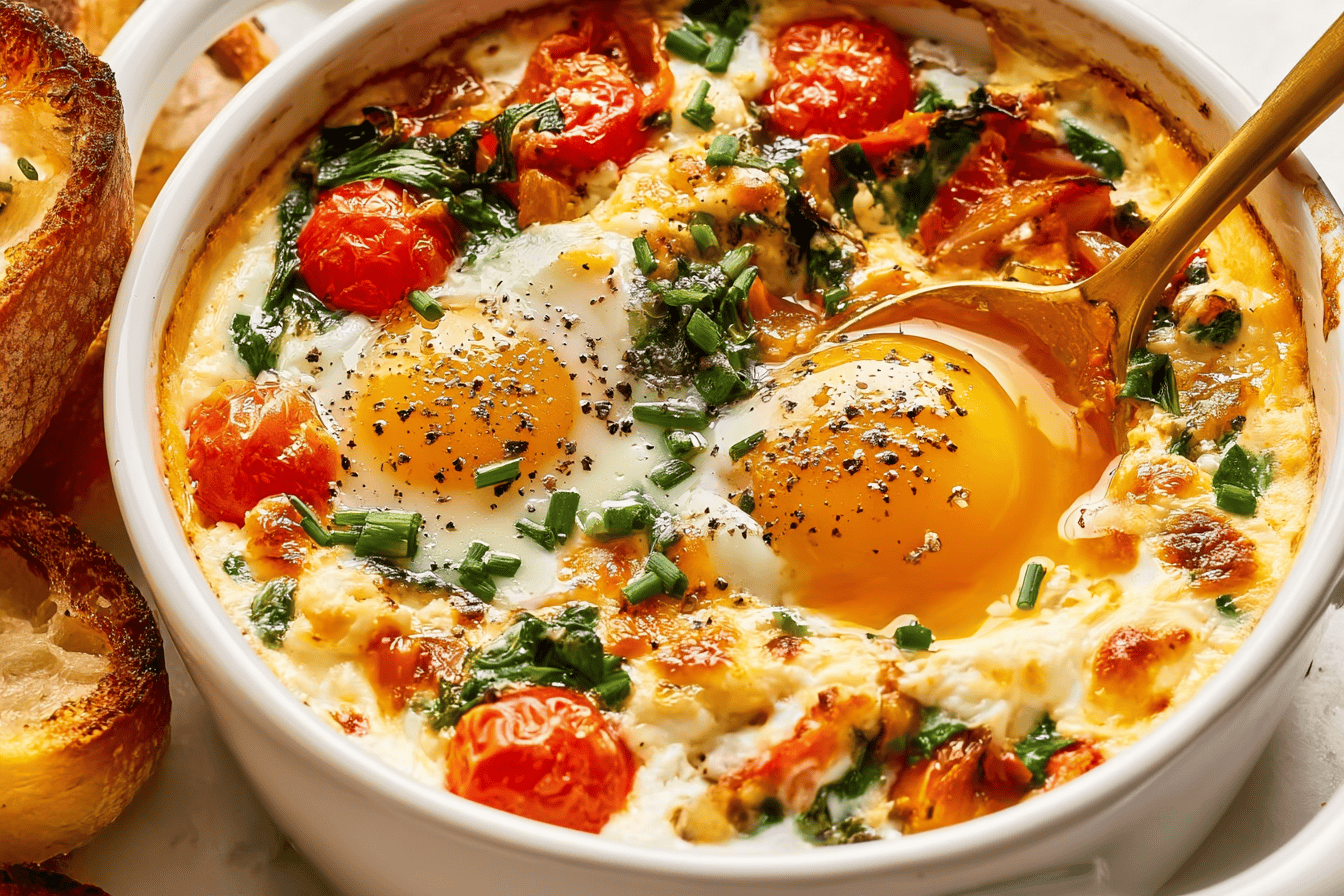
Okay, let me sell you on something. Feta-Fried Eggs are exactly what they sound like an egg fried right on top of crumbled feta cheese. That’s it. But here’s the kicker: as the egg cooks, the feta melts, bubbles, and crisps into a lacy, golden, crispy-edged crust. The result is tangy, salty, and ridiculously good. I’m not being dramatic when I say it might genuinely ruin you for every other egg preparation.
Best part? It takes about five minutes, uses two main ingredients, and requires zero fancy skills. So next time you’re hangry and staring into the fridge with no plan, this is your move. Let’s get into it.
Table of Contents
What Even Is a Feta-Fried Egg?
Picture a regular fried egg. Now imagine it cooked on a bed of feta that turns into a crispy, cheesy lace around the edges. That golden, frico-like crust is the whole point. The feta browns and crisps while the egg white sets and the yolk stays jammy and runny underneath.
The idea was inspired by Ali Slagle’s crispy potato, egg, and cheese tacos, and once you try it, you’ll understand the obsession. It’s salty without any added salt, crunchy without any deep-frying, and packed with protein to actually keep you full. Honestly, it’s the rare “viral” food that lives up to the hype.
The Pan Matters More Than You Think
Here’s the one rule you can’t skip: use a truly nonstick skillet. Not a “kinda nonstick, coating’s half gone” pan a real one. Because melted cheese loves to weld itself to metal, a worn-out pan will turn your masterpiece into a scraping nightmare.
That said, a well-seasoned cast iron skillet works too. Just drizzle in a little extra-virgin olive oil before you crumble in the feta, and you’re golden. The goal is simple: let that cheese crisp up and release cleanly when it’s done.
Picking the Right Feta
Not all feta is created equal, and this is where people go wrong. The best choice is a block of full-fat feta packed in brine. It melts readily, tastes more complex, and lasts longer than the alternatives. A block of full-fat feta wrapped in plastic is your next-best bet.
Whatever you do, avoid fat-free feta. It’s far less flavorful and stubbornly refuses to melt, which defeats the entire purpose. Pre-crumbled feta gets a bad rap, but plenty of cooks use it successfully, so don’t panic if that’s what you’ve got. And if you’re out of feta altogether? Cheddar, Parmesan, cotija, and low-moisture mozzarella all crisp up beautifully.
What You’ll Need
This recipe serves one, and the ingredient list is refreshingly short. Here’s the full breakdown:
| Ingredient | Amount | Notes |
|---|---|---|
| Large egg | 1 | The star |
| Full-fat feta cheese | 1½ oz (about ⅓ cup) | From a brined block, ideally |
| Freshly-ground black pepper | To taste | No salt needed — feta’s salty enough |
| Crushed red pepper flakes | Optional | For a little heat |
| Flour or corn tortilla | 1 (6-inch) | Charred or warmed |
| Avocado | ¼ small | Creamy base |
| Lime wedge | 1 | Bright finish |
How to Make Feta-Fried Eggs
Follow these steps and you’ll nail it on the first try. It’s genuinely hard to mess up once you get the heat right.
Step 1: Test the heat
Heat a small nonstick skillet over medium. Then flick a bit of feta brine (or drop a tiny crumble of feta) into the pan. If it sizzles gently, you’re ready. If it pops aggressively, dial the heat back a touch.
Step 2: Crumble the feta
Next, crumble the feta into the pan, arranging it around the perimeter and leaving a little space in the center for the egg. If you’re using a bigger skillet or making two at once, just crumble the feta into a wide circle instead.
Step 3: Crack the egg
Once the feta starts melting and bubbling, immediately crack your egg into the center. Then season with black pepper and a pinch of red pepper flakes if you like heat. Skip the salt entirely, because the feta brings plenty on its own.
Step 4: Cover and cook
Now cover the pan and let it cook. If the feta browns too fast, reduce the heat to medium-low or low. You’re waiting until the white is set, the yolk is still runny, and the cheese has crisped into a deep golden crust. Don’t be shy about lifting the lid to peek.
Step 5: Assemble and devour
Meanwhile, spread avocado onto your charred or warmed tortilla and add a squeeze of lime. Slide the feta fried egg on top, and that’s it — you’re done. Total time, start to finish, is about five minutes.
Troubleshooting: Fixing Common Problems
If something goes sideways, it’s almost always a heat issue. Here’s how to fix the two most common hiccups:
| Problem | Why | Fix |
|---|---|---|
| Feta is burning | Heat too high, or pre-crumbled/fat-free feta | Cook over medium; lower the heat after covering; switch to a brined block |
| Feta won’t crisp | Heat too low or rushed timing | Give the feta a head start before adding the egg; cook until deeply browned |
One bonus tip: the more deeply browned the cheese gets, the more easily it releases from the pan. So patience actually pays off here.
Ways to Serve It
The tortilla-avocado-lime combo is my go-to, but this egg is wildly flexible. Swap the avocado for refried beans (very huevos rancheros), mashed chickpeas, hummus, pesto, charred cherry tomatoes, cream cheese, or salsa. Or skip the toppings entirely, hit it with hot sauce, and dig in.
No tortilla? No problem. Pile it onto sourdough toast or an English muffin, serve it over pasta, or drop it into a grain bowl or salad. Want a veggie boost? Sauté some zucchini ribbons until charred before adding the feta, then add a few dollops of pesto once the egg’s in. You really can’t go wrong.
A Quick Nutrition Note
Numbers will vary with your exact ingredients, but a standard feta fried egg taco lands around 360 calories with roughly 18g protein, 22g carbs, 23g fat, and 3g fiber. In other words, it’s a genuinely filling, protein-packed little meal that doesn’t feel like a compromise.
Key Takeaways
A feta-fried egg is an egg cooked on melted, crisped feta for a tangy, salty, crunchy crust. Use a truly nonstick pan and a block of full-fat brined feta for the best results. Heat the pan to a gentle sizzle, crumble the feta, crack in the egg, skip the salt, cover, and cook low until crispy. Serve it on a tortilla with avocado and lime, or any way you please. Make it once and you’ll be hooked, too.
The Original Feta-Fried Egg
Ingredients
- 1 large egg
- 1 ½ ounces full-fat feta cheese about 1/3 cup, ideally from a block packed in brine
- Freshly-ground black pepper to taste
- Crushed red pepper flakes optional
- 1 6-inch flour or corn tortilla, charred over a gas flame or warmed in a skillet
- ¼ small avocado
- 1 lime wedge
Instructions
- Heat a small nonstick skillet over medium heat. Flick a bit of feta brine or drop a small crumble of feta into the pan; if it sizzles gently, the pan is ready. Crumble the feta into the pan, placing it around the perimeter and leaving room for the egg in the center. If using a larger skillet or making two at once, crumble the feta into a large circle instead. Once the feta begins melting and bubbling, immediately crack the egg into the center and season with black pepper and red pepper flakes. Do not add salt, as the feta is plenty salty. Cover the pan and cook, reducing the heat to medium-low or low if the feta browns too quickly, until the white is set, the yolk is still runny, and the cheese is crispy. Meanwhile, spread the avocado onto the charred or warmed tortilla and add a squeeze of lime juice. Place the feta fried egg on top and enjoy.