
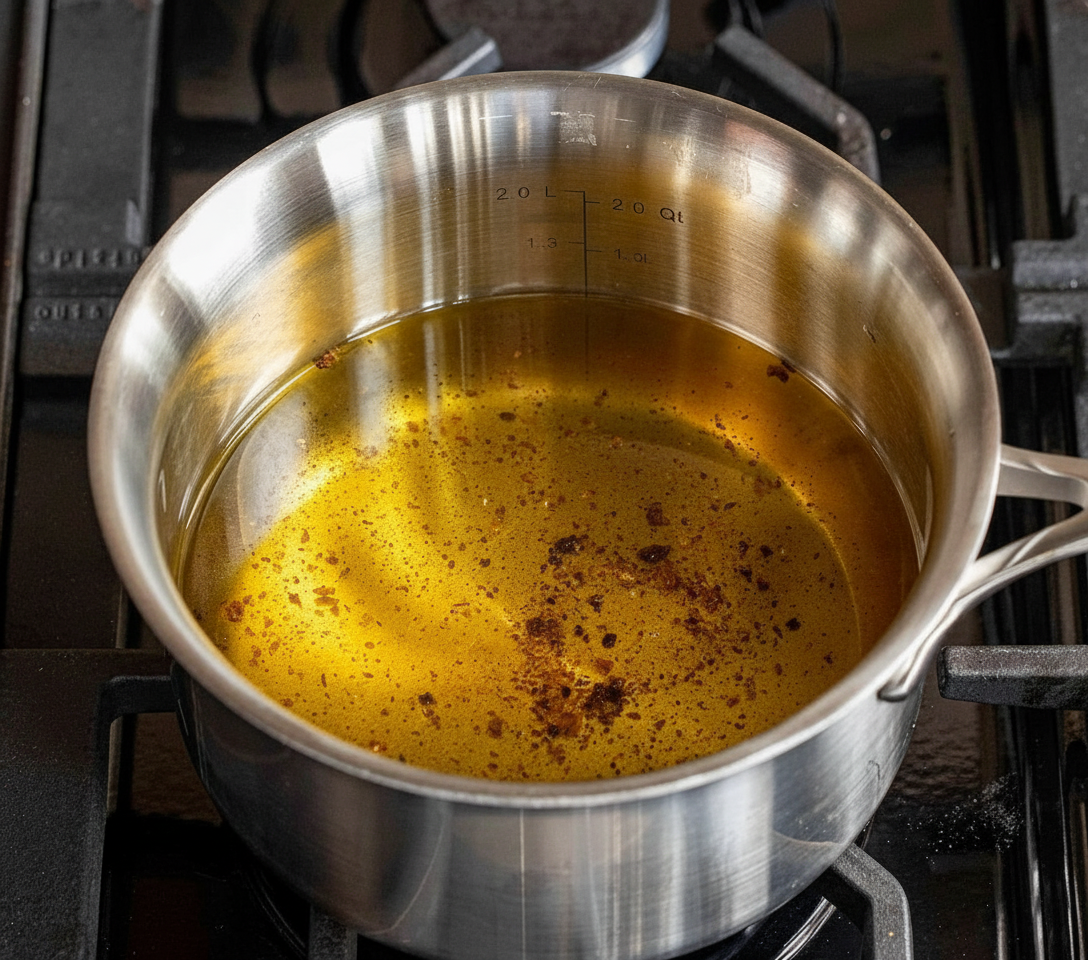
If you’ve ever fried food and thought “Maybe I could reuse this oil,” you’re not alone. The idea of saving money and reducing waste is appealing. However, reusing cooking oil safely does require some steps and care. In this short guide, we’ll walk through how to clean cooking oil for reuse, explain why it’s worth doing, and share tips to keep things safe.
Why reuse cooking oil?
Reusing cooking oil has two big benefits: cost savings and environmental consciousness. Cooking oil isn’t cheap, and when you reuse oil a few times, you stretch your budget. Also, disposing of used oil improperly adds to kitchen waste so reusing responsibly is a more sustainable choice.
What you need to know before reusing
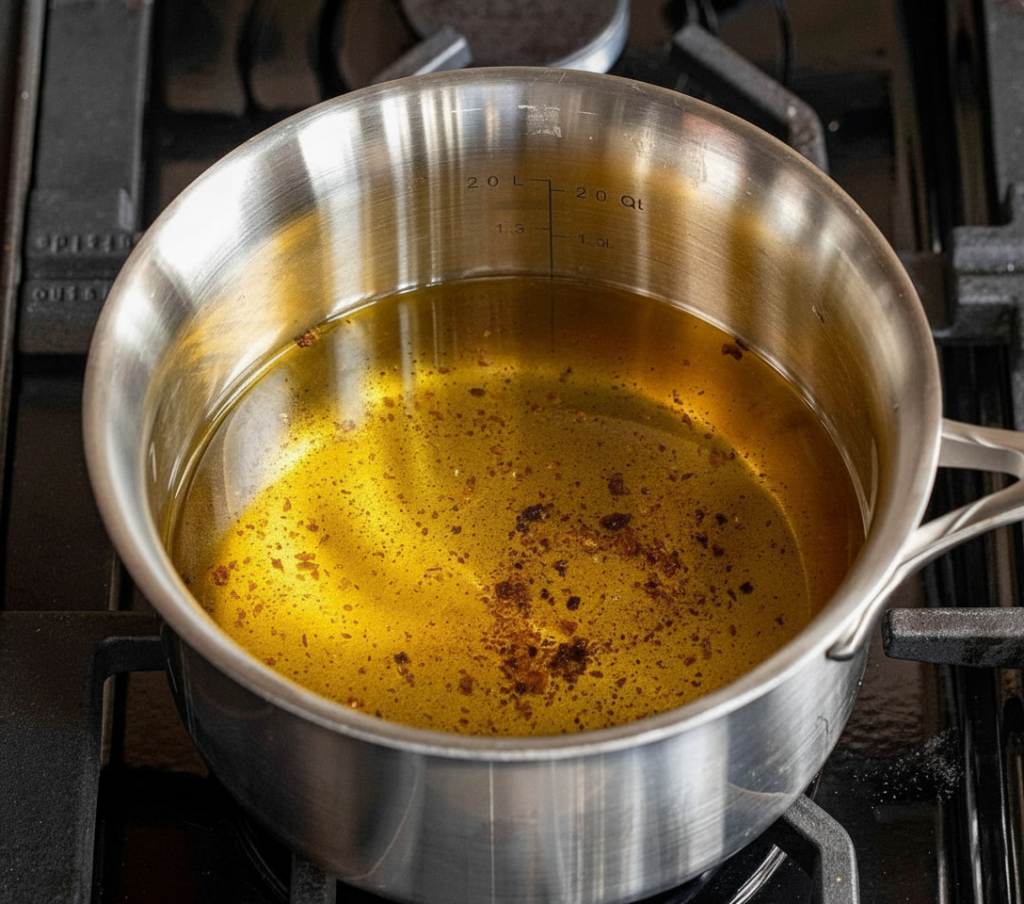
But before you just pour your oil back into the bottle and call it a day, keep in mind: oil degrades with heat, food particles and moisture get in it, and if it’s dirty or overheated, it can affect flavour and even safety. So the cleaning step is key.
How to clean cooking oil for reuse
Here’s a step-by-step method::
- Let the oil cool down: After frying, turn off the heat and allow the oil to settle until it’s warm but not hot enough to splash or smoke.
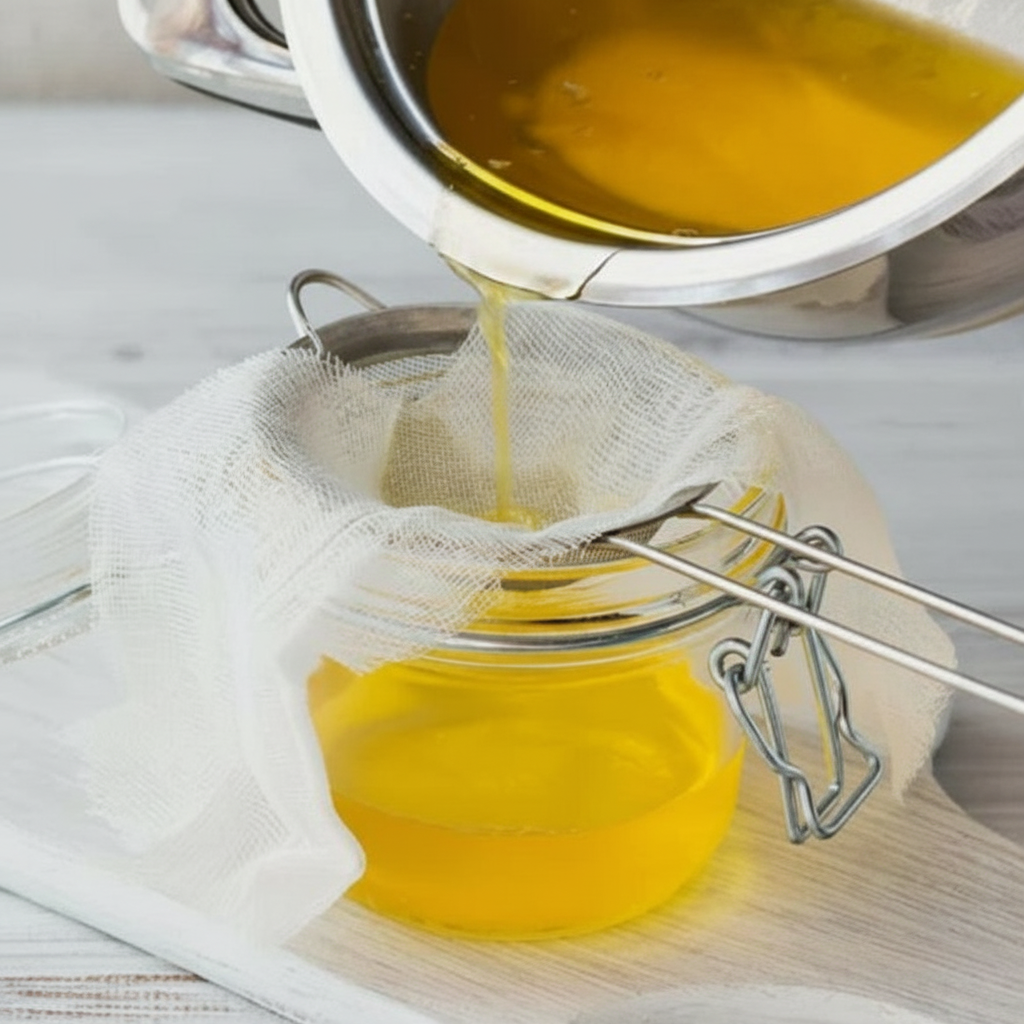
- Strain out food particles: Use a fine mesh sieve or a piece of cheesecloth to filter out crumbs, burnt bits and other solids that will degrade the oil faster.
- Remove moisture: Moisture is the enemy of reused oil. If you see bubbles, water droplets or steam, let the oil sit so the water evaporates, or gently dab out obvious moisture.
- Store properly : Put the cleaned oil in a clean, dry, airtight container (glass or food-grade plastic). Label it with the date and type of food fried, so you know when you used it.
- Check before reuse :Before using again, smell the oil (if it smells off or rancid, discard). Also check colour: dark or thick oil means it’s past its best. Avoid reheating oil that’s smoking or foaming.
- Limit reuse: Even cleaned oil doesn’t last forever. Many chefs recommend reusing oil only 2–3 times for typical home frying, and fewer times if you fry heavy-flavoured or burnt foods.
Pro tips and cautions
- Always cool oil completely before straining and storing. Hot oil in plastic may warp or leach chemicals.
- Make sure the container and sieve are clean and dry. Any leftover moisture or particles will shorten the oil’s usable life.
- Keep the oil away from direct light and heat store it in a cool, dark cupboard. Light and heat accelerate oxidation (which makes oil go bad).
- Don’t mix different types of oil in one container (e.g., olive with deep-fry oil) unless you’re certain it’s safe to do so. This helps you track quality.
- If you notice the oil foaming when you reheat it, or it emits a strong odour, or the food tastes “off”, discard it,it’s no longer safe or good quality.
Bottom line
Reusing cooking oil is absolutely doable and worthwhile as long as you clean it properly, store it carefully, and monitor it each time you reuse. By following the steps above, you’ll get the best from your oil: save money, reduce waste, and still cook your favourite fried foods with confidence.