
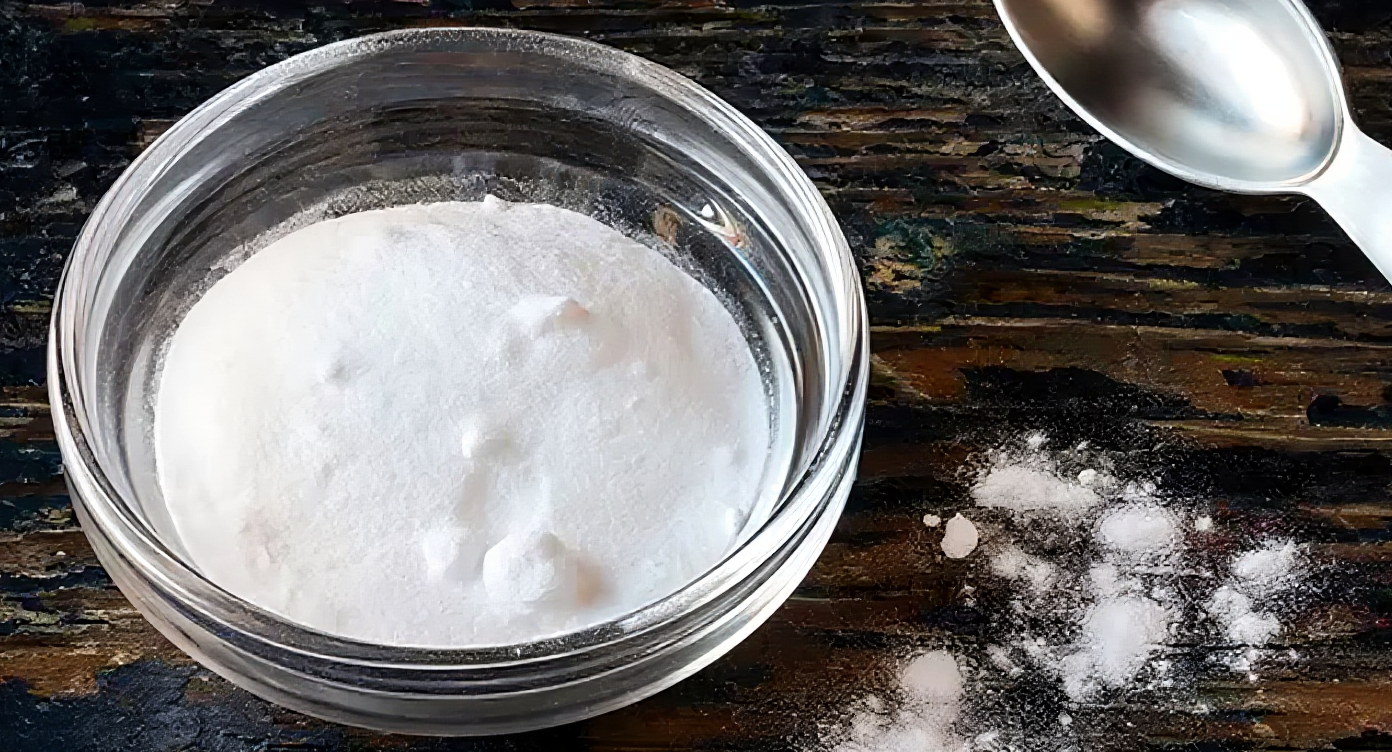
Baking soda is one of the most underrated powerhouse ingredients in the kitchen. Most people only think of it as something you keep in the back of the fridge, but its chemical makeup sodium bicarbonate makes it incredibly versatile for cooking, cleaning, and deodorizing. If you’re trying to save time in the kitchen, upgrade flavors, or keep your tools fresh, these three hacks can make a noticeable difference in your daily routine. Here’s a deeper, value-rich breakdown of why they work and how to use them correctly.
1. Remove Harsh Sulfur & Bitterness From Onions
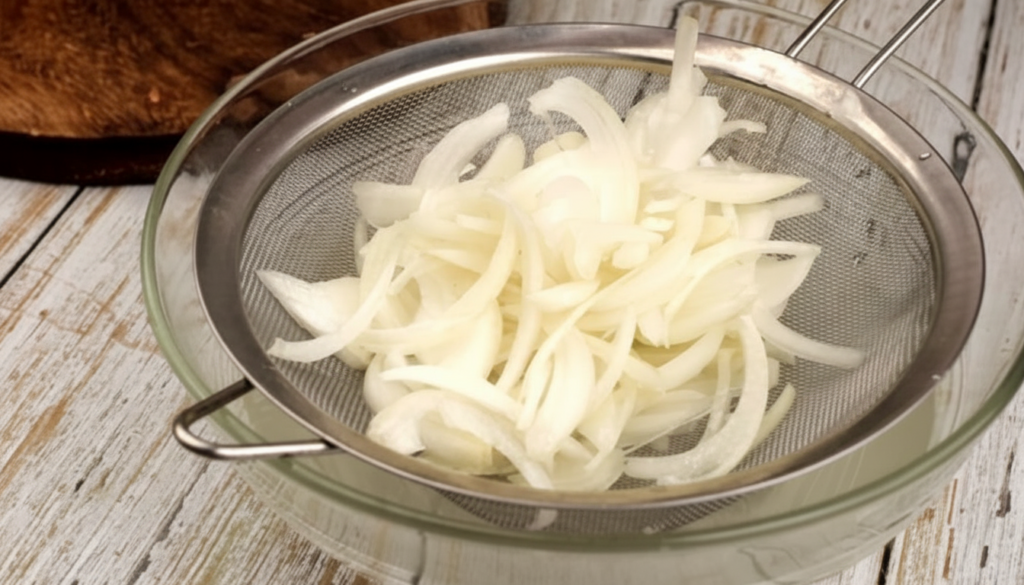
Anyone who has worked with raw onions knows their sharpness can overpower a dish. That strong bite comes from sulfur compounds released the moment the onion is cut. When you soak sliced onions in a solution of water and a very small amount of baking soda (about ¼ teaspoon), the alkalinity neutralizes these compounds.
Why this works:
Baking soda raises the pH of the water, which weakens the structure of the onion cells and reduces the release of sulfur molecules. The result? A milder taste and smell—without turning the onions mushy if you don’t soak them too long.
Best uses:
- Raw salads
- Sandwiches
- Pico de gallo
- Quick pickles
Extra tip: Rinse the onions briefly after soaking to remove any remaining alkaline flavor.
2. Tenderize & Improve Browning on Beef
If you’ve ever wondered why your beef doesn’t brown well—or why it turns gray instead—it’s because moisture and acidity slow down the Maillard reaction (the chemical browning responsible for amazing flavor). Adding just ⅛–¼ teaspoon of baking soda to your beef changes the pH of the surface, reducing protein bonding and helping it retain moisture.

Why this works:
A more alkaline environment speeds up browning while keeping the meat tender. Restaurant kitchens use this trick frequently, especially in stir-fry dishes.
How to use:
- Sprinkle a tiny amount of baking soda over ground beef, sliced beef, or stew meat.
- Toss lightly and let rest 15 minutes before cooking.
What you gain:
- Faster browning
- Better texture
- More flavor development
Extra tip: Don’t overuse baking soda it can create an unpleasant taste if you add too much.
3. Eliminate Odors From Cutting Boards
Cutting boards especially wooden ones absorb smells from onions, garlic, fish, and meat. Baking soda’s mild abrasiveness and deodorizing properties make it ideal for cleaning without harsh chemicals.
Why this works:
Baking soda doesn’t just mask smells; it neutralizes odor-causing acids and oils. When mixed with a little water, it forms a gentle scrub that lifts residue from microscopic grooves in the wood.
How to do it:
- Make a thick paste with water.
- Scrub the board for 30–60 seconds.
- Rinse and let it air-dry upright.
Extra tip: For heavy stains, add a splash of white vinegar after scrubbing the fizzing action helps lift deep grime.
Final Takeaway
Baking soda is more than a pantry staple,it’s a cost-effective, multipurpose tool backed by real science. Whether you’re improving flavors, enhancing cooking technique, or keeping your kitchen smelling fresh, these simple hacks offer big results. Keeping a box on hand isn’t just practical it’s smart home cooking.